


Upcoming events
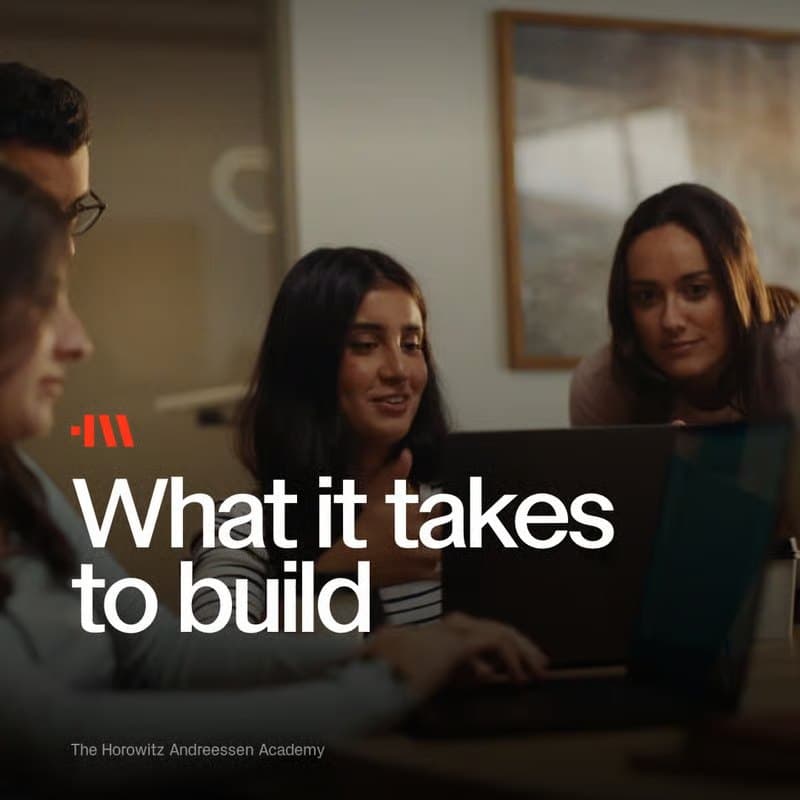
Build Berkeley × The Horowitz Andreessen Academy
Fireside with Gagan Biyani
A conversation with Gagan Biyani, founder of The Horowitz Andreessen Academy and Udemy, on building companies and what he looks for in founders.
- When
- October 29
- Where
- Berkeley, CA
Build Berkeley × Pear VC
Berkeley Demo Night with Pear VC
An evening with the people building the most interesting things at Berkeley. Live demos from student founders, with the Pear VC team and the founders they back in the room.
- When
- November 5
- Where
- Berkeley, CA

Build Berkeley × Pareto Holdings
Berkeley M.E.T. Hangout with Pareto Holdings
A casual hangout for Berkeley M.E.T. students with the Pareto Holdings team.
- When
- Date coming soon
- Where
- Berkeley, CA


Build Berkeley × Parable VC
Consumer AI Panel with Parable VC
A panel on what is working in consumer AI, hosted with Parable VC.
- When
- Date coming soon
- Where
- Berkeley, CA

Berkeley founders run the world.
- Intel
Gordon Moore
Co-founder and CEO, Intel
B.S. Chemistry, UC Berkeley
- Apple
Steve Wozniak
Co-founder and VP of R&D, Apple
B.S. EECS, UC Berkeley
- OpenAI
John Schulman
Co-founder and Research Scientist, OpenAI
Ph.D. Computer Science, UC Berkeley
- Sun Microsystems
Bill Joy
Co-founder and Chief Scientist, Sun Microsystems
M.S. EECS, UC Berkeley
- SoftBank
Masayoshi Son
Founder and CEO, SoftBank
B.A. Economics, UC Berkeley
- VMware
Diane Greene
Co-founder and CEO, VMware
M.S. EECS, UC Berkeley
- DoorDash
Tony Xu
Co-founder and CEO, DoorDash
B.S. IEOR, UC Berkeley
- Databricks
Matei Zaharia
Co-founder and CTO, Databricks
Ph.D. Computer Science, UC Berkeley
$139.4B
Raised by companies Berkeley alumni founded
Across 2,155 companies
Rank 1
In the world for venture-backed founders
4 years running
2,380
Alumni who founded a venture-backed startup
More than any other university
Why we exist
We believe Berkeley is the best collegiate environment for young, ambitious people who want to make asymmetric impact through startups. Build Berkeley exists to continue Berkeley’s momentum of cultivating world-changing companies.
We believe the best way to do this is to maximize serendipity by bringing Berkeley’s most competent and ambitious builders together. This creates the ultimate campus ecosystem for co-founder pairings, talent discovery, and fostering each other’s ideas.